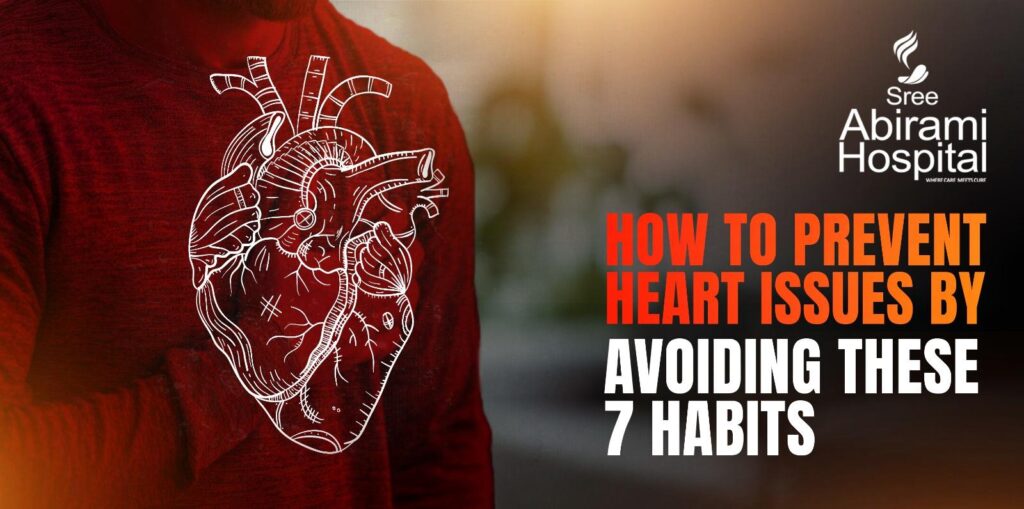
Your heart is distributing oxygenated blood all over your body. Without you knowing it, there are several small exercise and lifestyle choices you make daily that could be gradually hurting your heart.
Heart disease remains the leading cause of death in the world today. The bright side is that it can be prevented. If you avoid these harmful behaviors and use these basic lifestyle modifications, you will greatly decrease your risk of developing heart disease, hypertension, heart attack or stroke.
Abirami hospital of cardiology offers a wide spectrum of services including advanced diagnostic services and preventive cardiac care screening, management of all cardiac disorders and cardiac emergencies.
Learn more: https://abiramihospital.com/cardiology/
Why Heart Health Matters
If your heart is healthy, it can supply the body with oxygen and nutrients asas it should. When your heart becomes weak or blocked, it won’t be able to supply the body with these, and more emergency medical situations may happen.
Some common heart conditions include:
- Heart attack
- Heart failure
- Heart valve diseases
7 Habits You Should Avoid to Protect Your Heart
Unhealthy Habit | How It Affects Your Heart | Better Alternative |
Smoking | Harms blood vessels and can lead to a heart attack | Break your smoking habit now! |
Excessive stress | Contributes to high blood pressure and other heart problems | Manage stress through relaxation and regular exercise |
Poor sleep | Contributes to a higher risk of heart disease | Get enough sleep by sleeping 7–8 hours per night |
Excessive alcohol consumption | Increases blood pressure | Limit alcohol consumption or avoid it altogether |
Ignoring health check-ups | Delays diagnosis | Have your heart checked regularly |
Diabetes or BP is not under control | Damages arteries | Follow up and maintain continuous observation |
1.Smoking
The largest risk factor for heart disease can be attributed to tobacco usage.
It:
- Constricts blood vessels
- Diminishes oxygen transportation
- Raises blood pressure
- Stimulates blood clotting
- Increases the risk of having a heart attack
The harmful effects of smoking, including passive smoking, on heart health have already been proven.
Tip: No other action can be as positive as quitting smoking; it really does improve your heart health.
2.Eating an Unhealthy Diet
Your daily dietary choices affect your heart.
Avoid eating too much:
- Fried foods
- Processed snacks
- Salty foods
- Processed foods
- Trans fats
Instead, include:
- Fresh fruits
- Green vegetables
- Whole grains
- Nuts
- Lean protein
A healthy diet for your heart can maintain your cholesterol and blood pressure within the normal range.
3.Obesity
Obesity can increase the risk of:
- Diabetes
- High blood pressure
- Heart disease
This process should be done one to three times a week to help the heart muscle develop and improve blood circulation throughout the body.
Aim for:
- 30 minutes of brisk walking
- Cycling
- Swimming
- Light jogging
- Yoga
4.Living with Constant Stress
Stress may cause:
- Hypertension
- Poor sleep
Manage stress through:
- Meditation
- Family and social time
- Listening to music
- Regular exercise
Even when under stress, your heart and mind are working harder.
5.Not Getting Enough Sleep
Rest is a fundamental regulator of inflammation and has a unifying effect on blood pressure and cardiac rhythm.
Adults should sleep:
- 7–8 hours each night
To improve sleep:
- Go to sleep at a reasonable hour.
- Don’t use your cell phone before going to sleep.
Poor sleep may contribute to:
- Hypertension
- Irregular heartbeat
- Myocardial dysfunction
- Weight gain
6.Excessive Alcohol Consumption
Excessive alcohol consumption can negatively affect heart health and increase blood pressure.
If you drink alcohol:
- Set a quantity limit.
- Avoid excessive consumption.
7.Ignoring Regular Health Check-ups
Most cardiac pathology can be asymptomatic.
Conditions like:
- Hypertension
- Diabetes
May be silent until damage has occurred and may have no symptoms until significant damage has occurred.
Health screening allows a problem to be detected early.
Your doctor may recommend checking:
- Blood pressure
- Blood sugar
- Cholesterol
- ECG
- Echocardiogram
- Cardiac stress test (if indicated)
Early diagnosis appears to have a better prognosis.
People with:
- Hypertension
- Family history of heart disease
Should be alert and have early check-ups as soon as possible. With early detection, there is a good chance of avoiding further problems.
Advanced Heart Care at Abirami Hospital
Services include:
- Heart health screening
- ECG
- Echocardiography
- Stress testing
- Hypertension management
- Cholesterol management
- Heart attack emergency response
- Cardiac consultation
- Lifestyle counselling for the prevention of CHD
Whether for routine investigations or the complex management of any cardiac problem, you are most comfortable in the hands of the cardiac team at Abirami Hospital. Learn More: https://abiramihospital.com/cardiology/
FAQs
Can I prevent Heart Disease?
The majority of types of heart disease are preventable if people don’t smoke, eat sensibly, keep reasonably fit, maintain a healthy weight, and go for regular health check-ups.
When should I go for a heart health screening?
Watch your heart as often as needed, especially once past age 40 if you have diabetes, high blood pressure, obesity, or a family history of heart disease.
Why choose Abirami Hospital?
Abirami Hospital has all the facilities to provide comprehensive cardiology services like screening and prevention programs, modern diagnostic facilities, emergency cardiac care, and treatment plans.
E-E-A-T
Blog Created by: V. Ayyappa
Content Reviewed by: RYH Content Team
Fact-Checked by: RYH Content Team
Medical Review by: Cardiology Expert / Cardiologist
Image Designed by: Adobe Photoshop
Research & References: Reputable Medical and Healthcare Sources
Editorial Review: RYH Editorial Team
Content Quality Checked by: RYH Content Team
SEO & Content Optimization: RYH Content Team
Published by: Abirami Hospital
Department: Cardiology Department
Content Purpose: Patient Education & Heart Health Awareness
Sources Verified: Medical Guidelines & Trusted Healthcare Resources
Editorial Standard: Accuracy, Clarity & Patient-Focused Information
Disclaimer: This content is for educational purposes and does not replace professional medical advice.