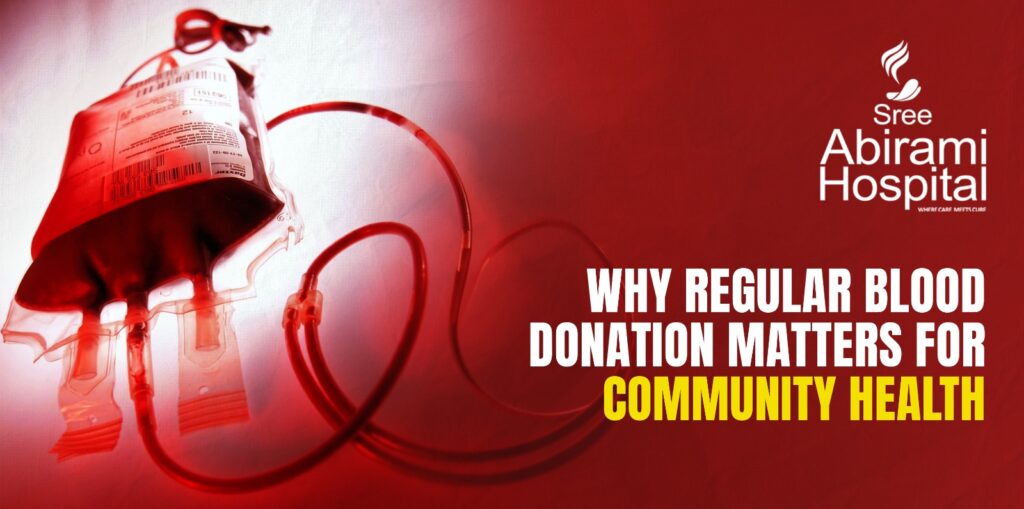
Why Regular Blood Donation Matters for Community Health
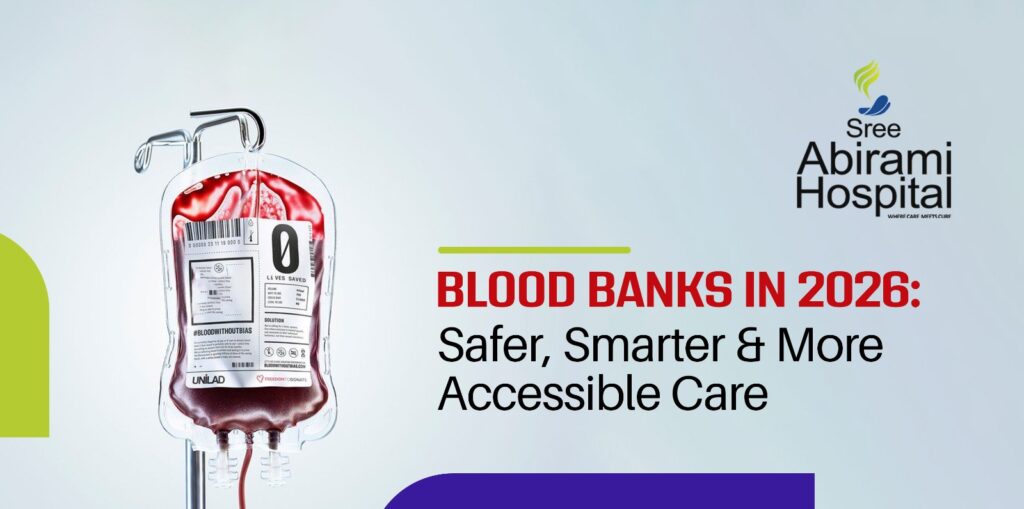
Access to safe blood is an important part of healthcare whether in the most severe situation of a patient preparing for major surgery, a person injured in an accident and in need of emergency care, or a person receiving long-term medical treatment. Understanding the importance of donating blood to create the availablity of blood in case it is needed by patients, and therefore donating blood freely. Why is Periodic Blood Donation Important for the Health of the Community? Blood and its constituents have an expiry date, thus it is important that donations should be ongoing. The World Health Organization (WHO) stresses the importance of having a constant supply of blood from periodic voluntary donors. 5 Important Benefits of Regular Blood Donation 1. Helps Save Lives During Medical Emergencies A medical emergency can happen at any time. During road accidents, injury, severe bleeding and unforeseen complications during surgery may necessitate immediate transfusion of blood. Frequent voluntary blood donation assistance maintains blood banks in emergency and assists hospitals to meet urgent demands. 2. Supports Patients with Long-Term Medical Conditions Not all blood transfusions occur during emergencies. Some patients may need blood or particular blood elements for continuing therapy. For example: Thalassemia sufferers can need regular blood transfusions. 3. Encourages Community Responsibility Blood donation camps are organized by the hospitals, educational institutions, work places and community groups to promote voluntary blood donation to public health programs. The more that are able to respond, the more ready are communities to assist patients when they have a medical emergency. 4. Helps Maintain a Continuous Supply of Blood Components Blood donations do not necessarily consist of whole blood. May be divided into components and healthcare professionals may administer the component that the individual patient needs. The principle blood constituents and their application to medicine are: Blood Component Primary Function Medical Importance Red Blood Cells Carry oxygen throughout the body Support patients with significant blood loss or anaemia Platelets Help the blood clot Important for patients with low platelet counts Plasma Contains proteins and clotting factors Used in treatments requiring specific plasma components It is known as blood component separation, making the blood of one donor beneficial for several recipients. The storage and shelf life requirements of different components vary and their consistent availability and appropriate storage is crucial. 5. Helps Raise Awareness about Safe Blood Donation Blood banks and hospitals play an important role in helping potential blood donors learn about safety in blood donation. Awareness programs will help people become knowledgeable regarding: Criteria that must be fulfilled by blood donors. The necessity of screening before donation. Safe practices for blood donation. Need for proper testing and storage of blood. Proper time period between two donations. And all this ensures responsible behavior and also helps in safeguarding the well-being of donors and recipients. Also check, Emergency Blood Bank Services in Coimbatore – Ensuring Immediate Access at Sree Abirami Hospital Who Can Donate Blood? Understanding Eligibility Criteria The following table outlines some of the key points for potential blood donors. Eligibility Factor General Requirement or Consideration Age Generally 18–65 years, subject to applicable guidelines Body Weight Must meet the minimum weight requirement Haemoglobin Must meet the prescribed haemoglobin level General Health Should be medically fit at the time of donation Medical Conditions Certain illnesses may temporarily or permanently affect eligibility Previous Donation Must follow the recommended interval between donations The Role of Hospitals and Blood Banks in Community Health The hospitals and blood banks perform an extremely important role in providing safety and security to blood. Apart from collecting the blood, they also do the following things: Evaluate donors Test infections Blood grouping Preparing blood components Storing blood These include: 24 Hour Availability: Screening and Testing Blood Component Availability Voluntary Donation Camps Advanced Storage Facilities Conclusion Hospitals such as Sree Abirami Hospital play a significant role in involving the community in safety saving healthcare by raising awareness about blood donation, arranging camps and effective services of blood banks. An efficient community begins from being compassionate, proactive and getting involved with people when they require assistance. FAQs Why is it essential to donate blood periodically? It assists in maintaining a blood stream that would be used in case a patient requires emergency treatment, surgery, treatment of cancer, pregnancy treatment and many other medical conditions. What is the frequency of donating blood? Minimum gap according to whole blood donation standards in India is 90 days for men and 120 days for women. Who can donate blood? In general, healthy individuals aged between 18 to 65 including weight, haemoglobin, health etc. Final eligibility is determined by medical screening. What effect does a single man or woman who donates blood have on multiple patients? Donated whole blood can be broken down into red blood cells, platelets and plasma in a blood bank. These parts may be used individually for patients with varying medical needs, and could assist more than one patient. Can healthy people donate blood? Yes. When donated at a registered blood bank by trained health care personnel with sterile and single-use collection kits. Both donor screening and post-donation care assist in achieving safety. E-E-A-T Content Created by: Ghowthami M Reviewed by: Content Team Fact-Checked with: Official Abirami Hospital Website Published by: Abirami Hospital Content Standard: Accurate, Clear & Parent-Focused Source Links: https://timesofindia.indiatimes.com/ https://www.thehindu.com/ https://abiramihospital.com/ https://abiramihospital.com/blood-bank-in-coimbatore/ https://www.who.int/news-room/fact-sheets/detail/blood-safety-and-availability